

For most of the 2000s, a browser game meant a Flash game. Then browsers dropped support at the end of 2020, and an enormous body of work stopped running essentially overnight — not deleted, just unplayable.
What actually replaced it
Three things, roughly. HTML5 canvas and WebGL took the technical role: everything a Flash game did, a modern browser does natively. Unity and similar engines took the ambitious end, exporting to WebGL so a game can ship to a browser tab as well as a store. And a layer of distribution networks grew up to syndicate those games to portals, which is why the same titles appear on hundreds of sites.
What survived
A surprising amount, through emulation. Flash content can be run in the browser by reimplementing the runtime itself, and large archival projects have preserved tens of thousands of games that way. If you find a game from that era still playable today, it is usually running through one of those.
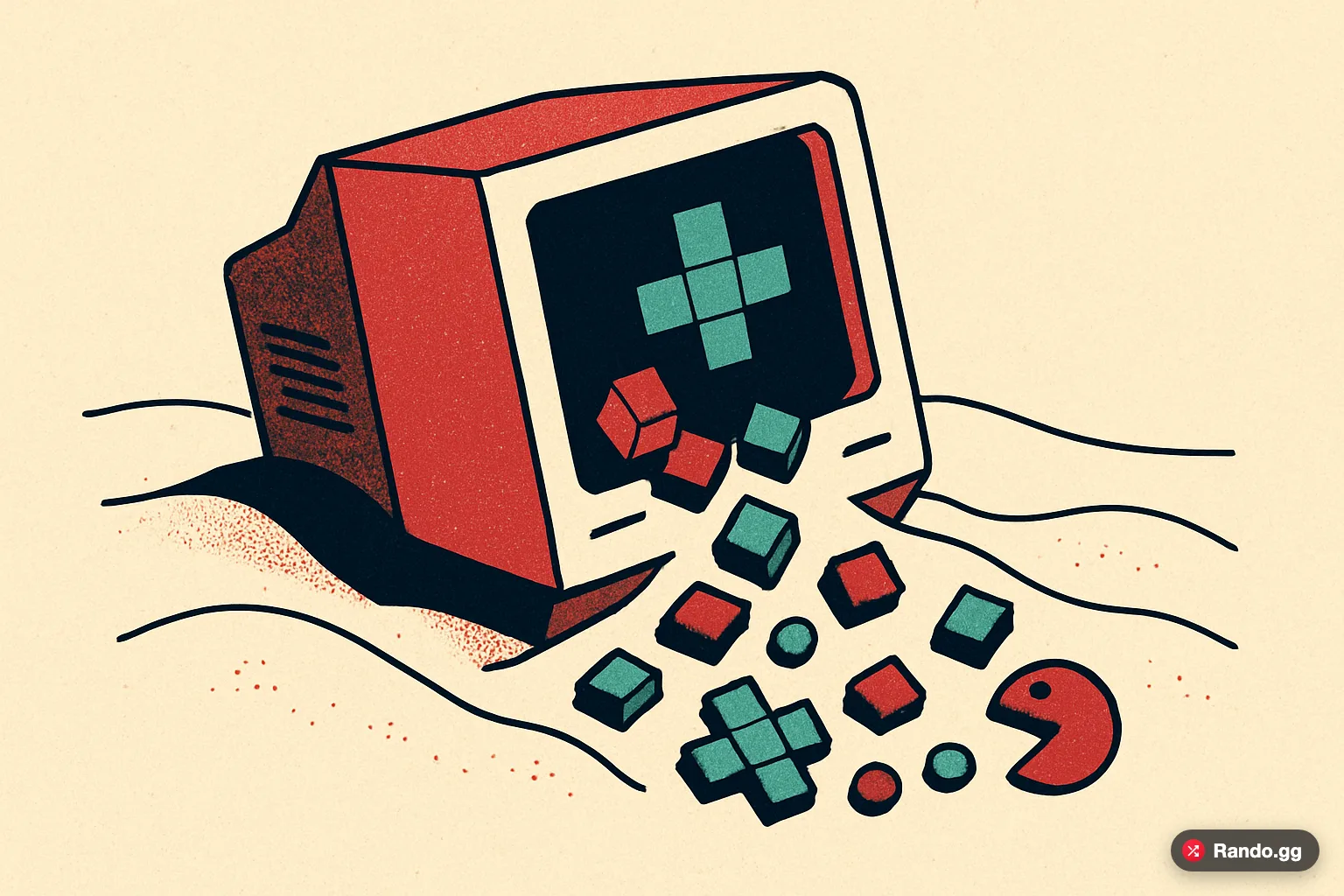
What was lost
Mostly the small stuff. Games that lived on one person’s site, never got archived, and disappeared when the hosting lapsed. That pattern has not gone away — we link-check our own catalogue daily and a third of the games we inherited had already rotted the same way, just on GitHub Pages instead of a personal domain.
The technology changed. The failure mode did not.