

Somebody pays for the bandwidth, the hosting and the development. If it is not you, it is an advertiser, and the way the money reaches the developer shapes exactly what you experience.
How the money works
A game distributed through an ad network ships with an SDK. The SDK shows video before the game starts, between levels, or in exchange for a reward. The developer gets a share of what the advertiser paid. The more of your attention the SDK can capture, the larger that share.
That is why the pre-roll is unskippable and why the interstitial appears exactly when you have died and want to retry. It is not carelessness. It is the design working.
The economics are worse than they look
Casual browser games earn very little per player. Rates are low, and much of the audience is young enough that personalised advertising is restricted, which lowers the rate further. The response to a low rate per impression is more impressions.
This is why the ad load on free games tends to get heavier over time rather than lighter. The publisher is not becoming greedier. The unit economics are grinding downward and volume is the only lever.
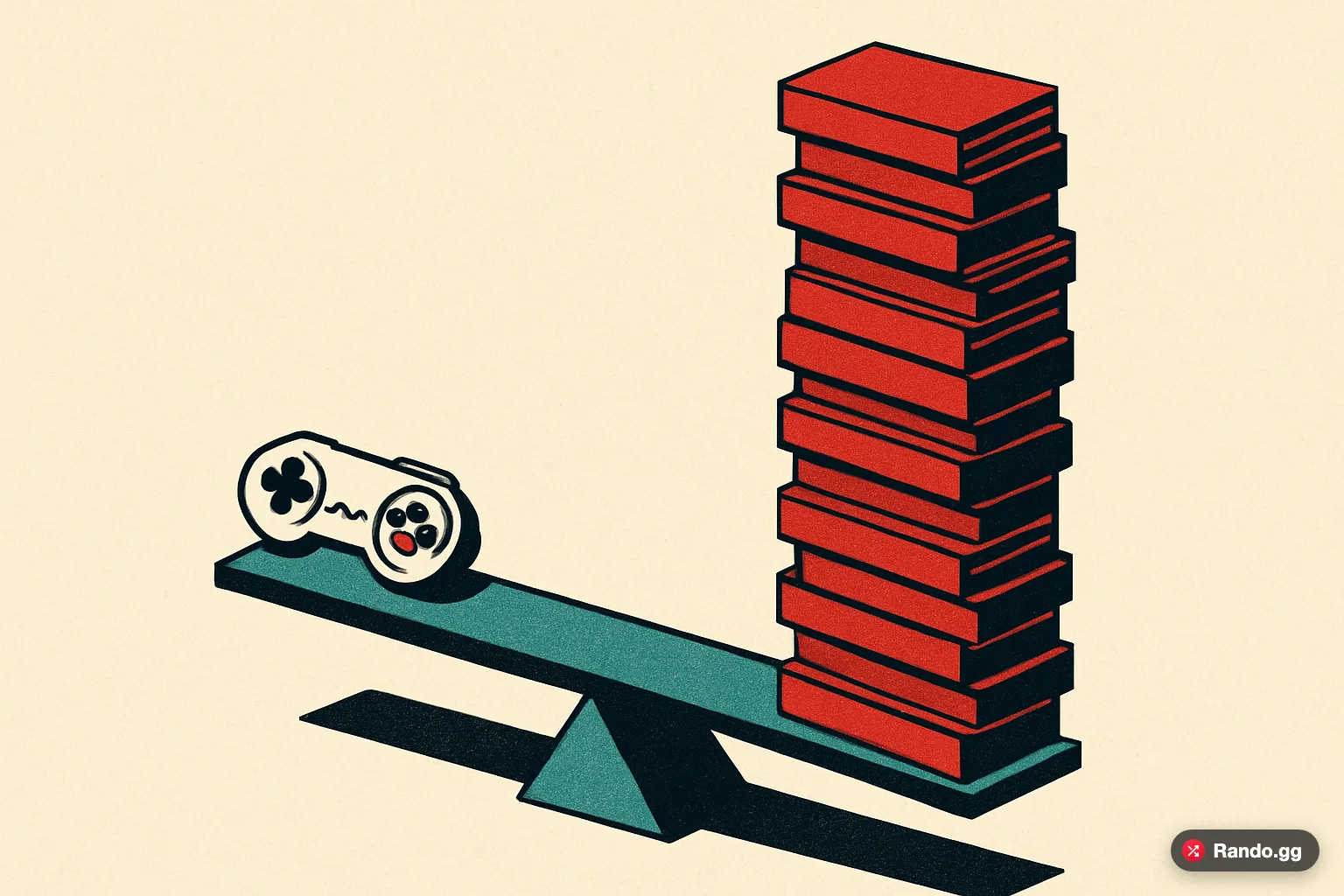
Why a clean game does not stay clean
We have watched hosts change. A CDN whose games measured clean on one sweep came back with nineteen of twenty two serving ads on the next, because the publisher added advertising. Nothing about the game changed. The business did.
Screening is not a gate you pass once. It is a measurement with an expiry date.
How to avoid the worst of it
- Prefer games hosted by their own developer over games distributed through a network.
- A long loading bar before a game often means an ad SDK initialising, not the game.
- If the first thing you see is a countdown, expect it again between attempts.
- Games with no account and no launcher tend to have simpler funding and fewer interruptions.